Convergence Research 1
Infectious Immunology
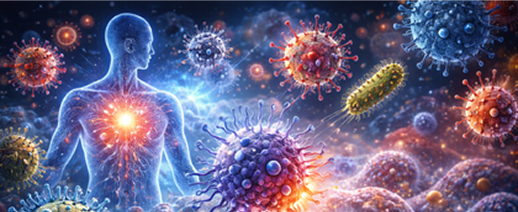
The CR1 research group aims to elucidate the mechanisms of immune aging, mucosal inflammaging, and age-associated microbial diseases, and to translate these findings into therapeutic and rejuvenation strategies. Using multi-omics and single-cell analyses, the group maps aging-related changes in innate immune cells and mucosal microenvironments, identifying key genetic, protein, and microbial drivers across intestinal, airway, lung, and brain tissues. By integrating host–microbiome interactions, metabolic and mitochondrial networks, and advanced AI-based screening and delivery technologies, CR1 develops and validates anti-inflammatory and anti-aging therapeutic candidates, progressing toward clinical application and precision mucosal therapies.
Interdisciplinary research with other groups
The large-scale multi-omics data generated from the CR1 study aim to establish a foundation for precisely modeling complex interactions within immunosenescence and microbial networks through future integration with CT2 (quantum biology). Quantum machine learning technologies are planned to be applied to rapidly predict key aging-related genes and protein interactions, as well as to simulate pathways involved in reverse aging or anti-inflammatory effects. CE1/2 (nanobiotechnology) technologies will be applied to the development of technologies that maximize in vivo delivery efficiency of therapeutic substances derived from CR1, through the design of tissue-specific nanocarriers, immune cell targeting, and enhanced permeability across the intestinal and brain mucosa. In addition, CT1 (AI-based structural prediction and analysis) will be utilized in model design through the structural prediction of regulatory factors and proteins.
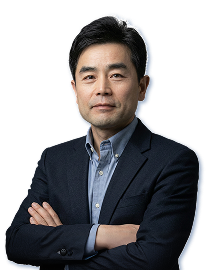
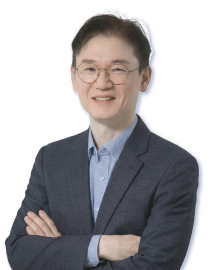
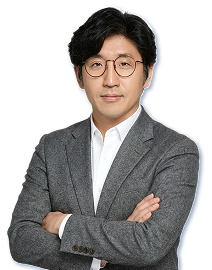
Investigators
Investigators
YongSun Bahn
Research group leader
Immuno-Rejuvenation
Microbial Diseases